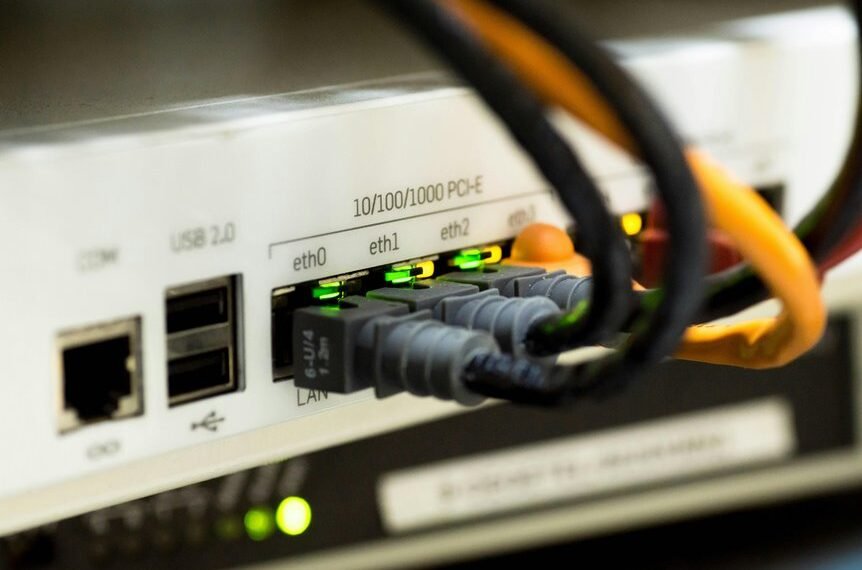

Smart Digital Infrastructure 651564315 represents a pivotal advancement in operational strategies for organizations. By integrating advanced connectivity and data analytics, it fosters enhanced collaboration and efficiency. The adaptability of this infrastructure allows businesses to respond promptly to market shifts while promoting sustainable practices. However, the transition to such infrastructure is not without its challenges. Understanding these complexities is essential for organizations aiming to leverage this technology effectively. What factors must they consider to ensure successful implementation?
Key Components of Smart Digital Infrastructure
Although the concept of smart digital infrastructure may vary across different contexts, its key components consistently include advanced connectivity, data analytics, and integrated systems.
Central to this framework is cloud computing, which enables scalable resources and seamless data sharing.
Data analytics further enhances decision-making, providing insights that optimize performance and drive innovation, thereby empowering organizations to adapt and thrive in a dynamic environment.
How Smart Digital Infrastructure Drives Business Growth
Leveraging smart digital infrastructure significantly propels business growth by enhancing operational efficiency and fostering innovation.
Through data analytics, organizations can derive actionable insights, optimizing decision-making processes.
Cloud computing facilitates seamless collaboration and scalability, enabling businesses to adapt swiftly to market changes.
This synergy between data and technology empowers enterprises, ultimately driving sustainable growth and allowing them the freedom to explore new opportunities.
Challenges in Implementing Smart Digital Infrastructure
Implementing smart digital infrastructure presents a myriad of challenges that organizations must navigate to realize its full potential.
Key obstacles include data security concerns, as safeguarding sensitive information is paramount against increasing cyber threats.
Additionally, integration challenges arise from disparate systems and technologies, complicating seamless connectivity and data flow.
Addressing these issues is essential for organizations striving to harness the benefits of digital transformation effectively.
Future Trends in Smart Digital Infrastructure for Sustainable Growth
As organizations increasingly prioritize sustainable growth, the evolution of smart digital infrastructure is poised to play a crucial role in shaping future operational landscapes.
Emerging trends indicate a shift towards sustainable technology and interconnected digital ecosystems. This integration fosters resilience, enabling organizations to leverage data-driven insights while minimizing environmental impact.
Ultimately, this drives innovation and efficiency in pursuit of sustainable development objectives.
Conclusion
In conclusion, Smart Digital Infrastructure 651564315 not only enhances operational efficiency but also positions organizations for sustainable growth in a competitive landscape. By integrating advanced connectivity and data analytics, businesses can make informed decisions and innovate continuously. However, as companies navigate the challenges of implementation, one must consider: how can they leverage these infrastructures to not only adapt but thrive in an ever-changing market? The future of business may depend on their ability to answer this question effectively.


 By
By




 By
By