
Improving home energy efficiency is a critical concern for many homeowners. It involves a systematic approach to minimizing energy waste and enhancing comfort. Key strategies include identifying and sealing drafts, upgrading insulation, and investing in energy-efficient appliances. Furthermore, the integration of smart home technology can optimize energy usage. Understanding these methods and their implications can lead to significant savings and a more sustainable living environment. However, the effectiveness of these strategies depends on proper implementation.
Identify and Seal Drafts
To enhance home energy efficiency, identifying and sealing drafts is a crucial initial step.
Effective draft detection techniques, such as using smoke sticks or infrared cameras, can pinpoint air leaks.
Once identified, applying weather stripping around windows and doors creates a barrier against unwanted airflow.
This not only conserves energy but also contributes to a more comfortable living environment, ultimately empowering homeowners to achieve greater freedom in energy usage.
See also: networthglow
Upgrade Insulation
Upgrading insulation plays a pivotal role in enhancing a home’s energy efficiency.
By selecting high-quality insulation materials, homeowners can create effective thermal barriers that minimize heat transfer. This improvement not only maintains comfortable indoor temperatures but also reduces energy consumption and costs.
Evaluating existing insulation and investing in advanced options can significantly contribute to a sustainable and energy-efficient living environment.
Invest in Energy-Efficient Appliances
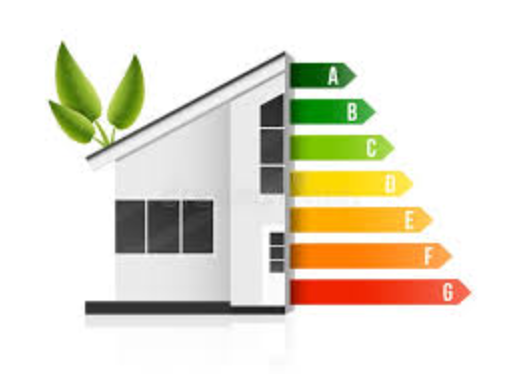
Investing in energy-efficient appliances is a strategic decision that can lead to substantial savings on energy bills and a reduced environmental footprint.
Selecting appliances with Energy Star certifications ensures optimal performance while lowering energy consumption.
Additionally, examining appliance ratings can guide consumers toward choices that balance efficiency and cost.
Ultimately, these investments contribute to both financial freedom and a sustainable lifestyle.
Utilize Smart Home Technology
How can smart home technology enhance energy efficiency in residential settings?
By implementing smart thermostats, homeowners can optimize heating and cooling schedules, significantly reducing energy consumption.
Additionally, energy monitoring systems provide real-time insights into usage patterns, enabling residents to make informed adjustments.
This integration of technology offers greater control, promoting a sustainable lifestyle while fostering a sense of freedom in energy management.
Conclusion
In the quest for energy efficiency, homeowners can transform their living spaces into havens of comfort and sustainability. By sealing drafts, upgrading insulation, investing in energy-efficient appliances, and embracing smart technology, they not only reduce their carbon footprint but also echo the wisdom of those who came before them, striving for a harmonious balance with nature. This proactive approach not only safeguards their financial resources but also nurtures the planet, creating a legacy of responsibility for future generations.



 By
By